
Daily Habits to Strengthen Your Joints
Discover evidence-based strategies to support your joint health and maintain mobility throughout your life. Our comprehensive guide walks you through practical daily routines designed for long-term wellness.
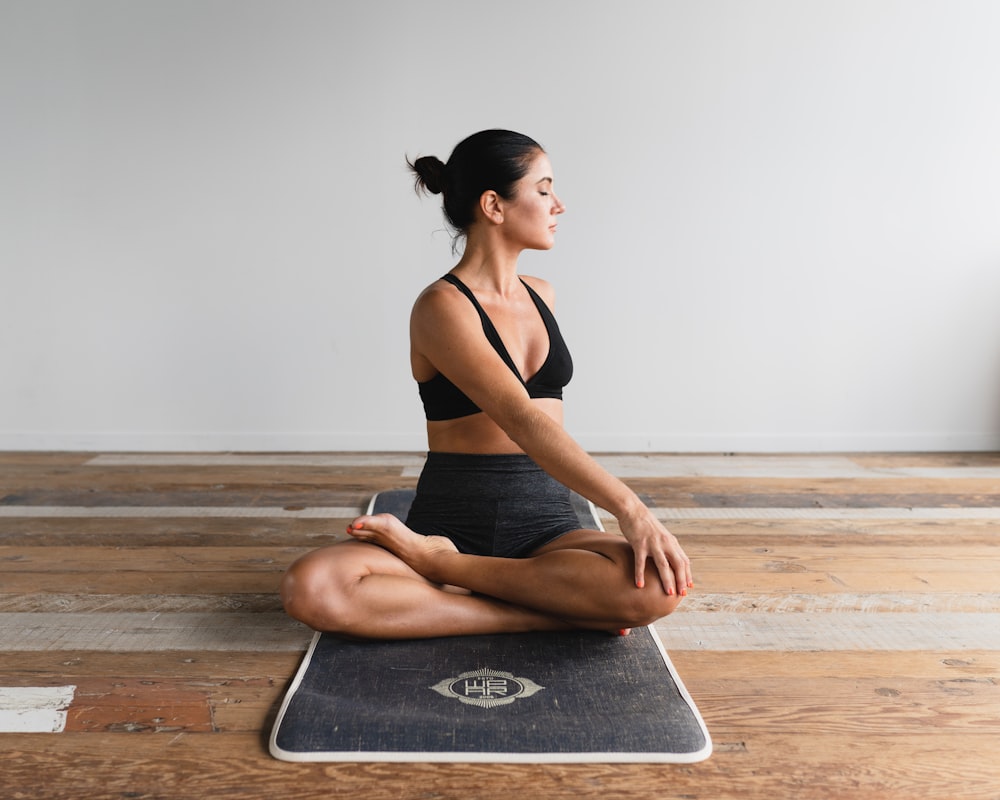
Core Features of Our Joint Health Program
A complete approach to preserving your joint function and maintaining active movement throughout your daily life.
Safe Gymnastics Routines
Step-by-step guidance on light joint warm-up exercises and mobility drills that are safe for daily practice. Each movement is explained with proper form to protect your joints during exertion.
Nutrition for Joint Support
Comprehensive information on healthy menu choices for active people. Learn which foods and nutrients help maintain joint mobility and support your body's natural movement capacity.
Proper Posture Techniques
Learn how to move correctly during the day and maintain proper posture when walking. These fundamentals prevent unnecessary stress on your joints and promote long-term stability.
Activity During Sedentary Work
Practical strategies for staying active when you spend long hours at a desk. Discover simple movements and habits that maintain joint function throughout your workday.
Joint Mobility Exercises
Expert-recommended exercises focused on preserving and enhancing your range of motion. These evidence-based movements support healthy joint function and movement quality.
Physiotherapist Tips
Evidence-based recommendations from licensed physiotherapy professionals. Learn professional approaches to joint care and prevention that you can apply in your daily routine.
How Our Approach Differs
Common Misconceptions
- ● Assuming joint issues are inevitable with age
- ● Avoiding movement entirely due to fear
- ● Neglecting posture and movement quality
- ● Ignoring nutrition's role in mobility
- ● Waiting for problems before taking action
Our Evidence-Based Approach
- ✓ Proactive joint care and prevention strategies
- ✓ Safe, progressive movement and exercises
- ✓ Correct movement patterns and posture guidance
- ✓ Integrated nutrition and healthy habits
- ✓ Continuous support for lifelong joint health
Your 7-Step Daily Routine
A complete timeline for integrating joint-strengthening habits into your everyday life. Each step builds upon the previous one to create lasting benefits.
Morning Awakening Routine (5 minutes)
Begin your day with gentle joint mobilization while still in bed. Perform light stretches and slow, controlled movements to prepare your joints for activity. This light joint warm-up activates your mobility systems and improves circulation.
Breakfast with Joint-Supporting Foods (20 minutes)
Enjoy a healthy menu designed to support joint function. Include foods rich in omega-3 fatty acids, antioxidants, and minerals that contribute to overall joint health. Proper nutrition forms the foundation for your daily routine.
Posture Awareness Walk (10 minutes)
Practice proper posture when walking with conscious attention to alignment. Focus on how to move correctly during the day with balanced weight distribution and engaged core muscles. This trains your body's natural support systems.
Workday Movement Breaks (Throughout Day)
Combat sedentary work with regular activity breaks. Every 60 minutes, take 2-3 minutes for gentle movement. These strategic pauses support joint mobility and prevent stiffness that accumulates during sedentary work periods.
Midday Joint Mobility Exercises (10 minutes)
Perform targeted mobility drills at lunch or early afternoon. Focus on safe gymnastics that enhance your range of motion. These exercises are designed based on physiotherapist tips and evidence-based joint care principles.
Evening Joint Support During Activity (Variable)
Apply proper techniques when performing physical activities or exercise. Remember joint support principles during exertion to prevent unnecessary stress. Use correct movement patterns and pacing strategies learned from physiotherapist guidance.
Night Recovery Routine (10 minutes)
End your day with gentle stretching and relaxation exercises. This wind-down routine promotes recovery and prepares your joints for restful sleep. Consistent evening practice enhances the cumulative benefits of your daily joint care efforts.

Joint Support Diet Fundamentals
A healthy menu for active people goes beyond basic nutrition. Specific foods contain nutrients that directly support your body's ability to maintain joint function and mobility. Understanding what to eat is just as important as understanding how to move.
Omega-3 Rich Foods
Fatty fish, flaxseeds, and walnuts support your body's natural response to joint stress.
Colorful Vegetables and Fruits
Antioxidants in bright produce help support overall joint and tissue health.
Mineral-Rich Whole Grains
Magnesium and other minerals from whole grains support muscle function around joints.
Quality Protein Sources
Lean meats, legumes, and dairy provide amino acids for tissue maintenance and repair.
How to Move Correctly During the Day
Movement quality matters more than quantity. Learning proper movement patterns protects your joints while maintaining their function. Whether you're walking, sitting, or lifting, conscious movement practices prevent unnecessary wear and support long-term joint preservation.
Walking Posture
Keep your head neutral, shoulders relaxed, and core lightly engaged. Distribute weight evenly across both feet with a natural stride length.
Sitting Position
Maintain hip and knee angles around 90 degrees. Support your lower back and avoid slouching, which creates imbalanced joint loading.
Lifting Technique
Bend at your hips and knees rather than your spine. Keep objects close to your body and use leg muscles instead of straining your back.
Reaching Movements
Avoid overstretching or twisting. Move with controlled, deliberate motions that respect your natural range of motion.

Essential Mobility Exercises
These safe gymnastics routines are recommended by physiotherapists and designed to preserve your joint function. Perform them consistently as part of your daily routine.

Neck Mobility Routine
Gentle head rotations and lateral flexion movements that maintain cervical joint function. Perform these daily to prevent stiffness from desk work or poor posture.

Shoulder Circles and Reaches
Controlled shoulder rotations and arm extensions that enhance upper body joint mobility. These movements support joint preservation during daily activities and work.
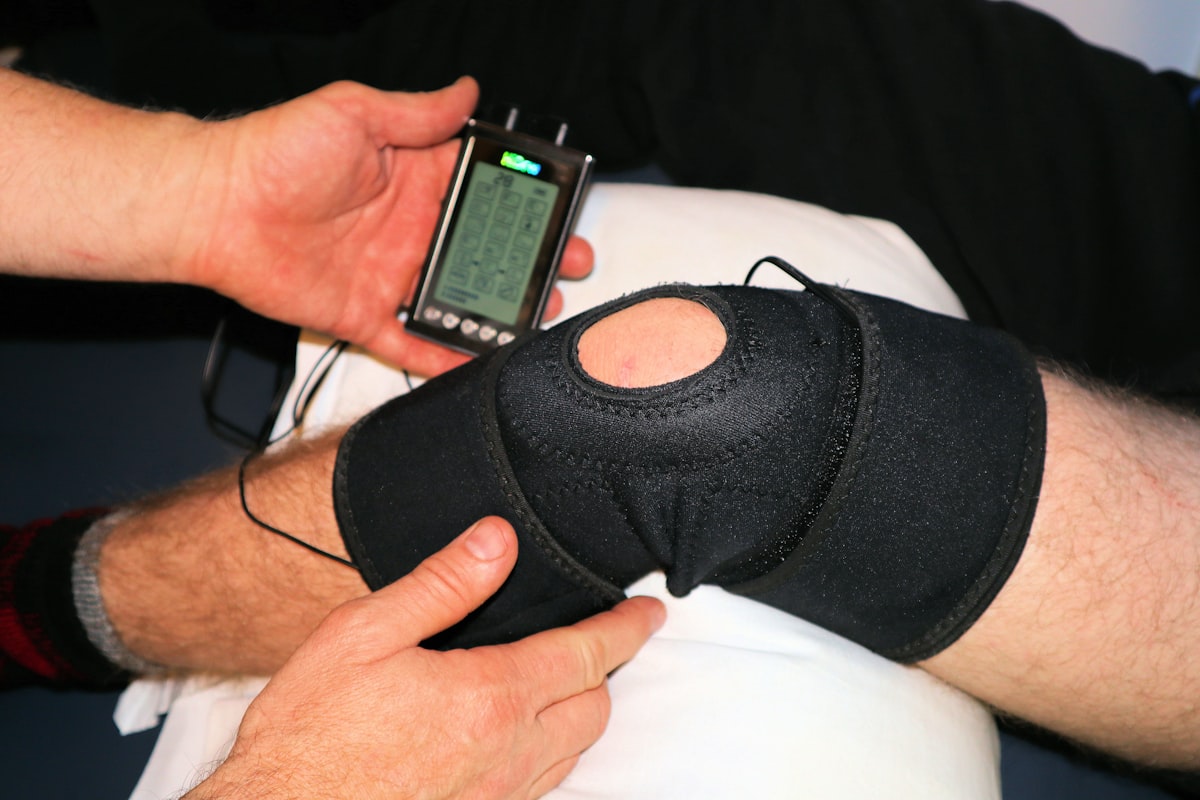
Spine Mobility Series
Cat-cow stretches, gentle spinal rotations, and flexion-extension movements. These exercises support your spine's health and improve overall posture during the day.

Hip Opening Movements
Hip circles, gentle leg swings, and lateral movements that maintain hip joint function. Critical for maintaining mobility and preventing restrictions from prolonged sitting.

Lower Leg Stability Work
Knee extensions, ankle circles, and balance drills that support lower limb joint stability. These movements help maintain joint support during walking and standing activities.

Full-Body Cool-Down Routine
Comprehensive stretching sequence targeting all major joints and muscle groups. Conclude your exercise routine with this cool-down to enhance recovery and maintain flexibility.
What Our Users Say
Real stories from people who've transformed their flexibility and wellness
"This guide completely transformed my daily routine. I went from barely touching my toes to holding deep stretches comfortably. The progressive approach makes all the difference!"
Sarah Mitchell
Yoga Enthusiast
"As a desk worker, I struggled with lower back pain. The targeted routines and modifications have given me relief and improved my posture significantly in just weeks."
Marcus Johnson
Office Professional
"I love how detailed and practical this guide is. The science-backed explanations help me understand why each stretch matters, making me more committed to the practice."
Emma Rodriguez
Fitness Coach
Frequently Asked Questions
Find answers to common questions about our flexibility guide
Absolutely! Our flexibility guide is designed with progressive difficulty levels. We start with fundamental stretches and gradually increase intensity, making it perfect for beginners while also challenging experienced practitioners.
For best results, we recommend practicing flexibility exercises 4-6 times per week. However, even 3 sessions weekly will show noticeable improvements. Consistency matters more than intensity when building flexibility habits.
We include modifications and modifications for various conditions, but we always recommend consulting with a healthcare professional or physical therapist before starting any new exercise program if you have existing injuries or chronic pain.
Most users report noticing improvements in flexibility and reduced stiffness within 2-3 weeks of consistent practice. Significant changes in range of motion typically appear within 6-8 weeks. Remember, flexibility is a journey, not a destination.
No special equipment is required! All routines can be performed using just your body weight. However, a yoga mat provides comfort, and optional props like resistance bands, foam rollers, or yoga blocks can enhance certain exercises and make them more accessible.
Ready to Transform Your Flexibility?
Start your flexibility journey today with our comprehensive guide and begin experiencing the benefits of improved mobility, reduced pain, and better overall wellness.
100% Secure. No credit card required. Instant access.