
Daily Habits for Joint Strength
Explore evidence-based practices and daily routines recommended by physiotherapists to preserve and improve your joint health through consistent, safe habits.
Essential Daily Habits & Exercises
Light Joint Warm-Up
Begin each day with 5-10 minutes of gentle joint preparation. Slow circular movements of the shoulders, wrists, hips, and ankles prepare your joints for movement throughout the day. This habit increases synovial fluid circulation and improves joint mobility without strain.
Mobility Exercises
Perform targeted range-of-motion exercises three times weekly. These include controlled leg lifts, arm circles, hip rotations, and knee bends. Safe gymnastics strengthens the muscles surrounding your joints and maintains flexibility while respecting natural movement limitations.
Proper Posture When Walking
How to move correctly during the day starts with posture awareness. Keep your spine aligned, shoulders relaxed, and engage your core muscles during daily activities. Proper alignment distributes load evenly across your joints and reduces unnecessary stress on knees, hips, and lower back.
Activity During Sedentary Work
Break up long periods of sitting with movement every 30-45 minutes. Stand, walk around, or perform light stretches to prevent joint stiffness. Regular activity during sedentary work maintains joint lubrication and strengthens stabilizing muscles, critical for desk workers.
Joint Support During Exertion
Use proper technique and appropriate load during physical activities. Engage stabilizing muscles, maintain alignment, and avoid sudden movements. Joint support during exertion prevents micro-trauma and ensures that exercise strengthens rather than stresses your joints.
Healthy Menu for Active People
Nutrition plays a vital role in joint preservation. Include foods rich in omega-3 fatty acids, antioxidants, and minerals that support connective tissue. A balanced diet with plenty of whole foods and hydration provides the building blocks your joints need to stay resilient and mobile.
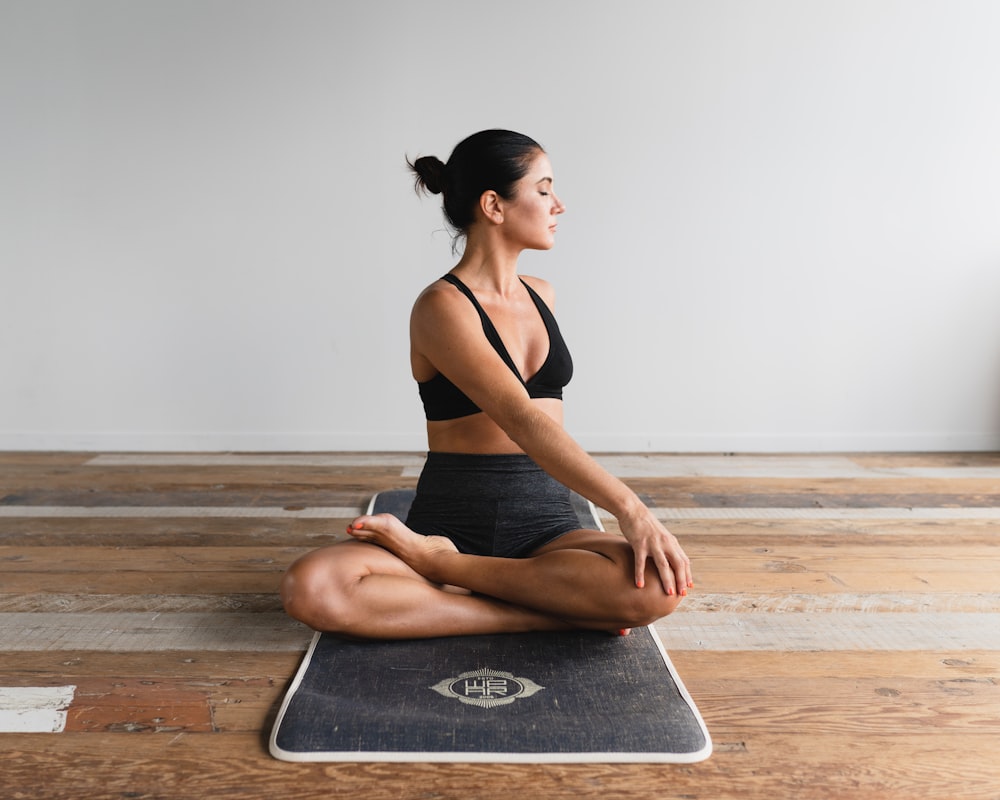
Why Joint Strength Matters for Daily Life
Your joints are the foundation of every movement you make—from climbing stairs to picking up your children or grandchildren. Strong, well-maintained joints enable independence, comfort, and the freedom to stay active throughout your life.
By implementing daily habits focused on joint preservation and mobility, you invest in your long-term quality of life. These physiotherapist-recommended practices improve your ability to perform everyday tasks, reduce discomfort during movement, and help you maintain an active lifestyle well into your senior years.
The key is consistency. Small, intentional movements and mindful habits compound over time, building stronger stabilizing muscles and maintaining the range of motion you need for functional independence.
Improved Mobility: Daily exercises expand your range of motion and flexibility.
Stronger Support Muscles: Safe gymnastics builds muscles that stabilize joints.
Better Daily Function: Proper posture and movement techniques make everyday activities easier.
Long-term Independence: Consistent habits preserve joint health for years to come.
5-Step Daily Routine for Joint Strength
Morning Joint Warm-Up (5 minutes)
Begin your day by gently moving each major joint. Start with neck circles, then shoulder rolls, wrist circles, torso twists, hip circles, and ankle rotations. Move slowly and stay within a comfortable range. This increases blood flow and synovial fluid distribution, preparing your joints for the day ahead.

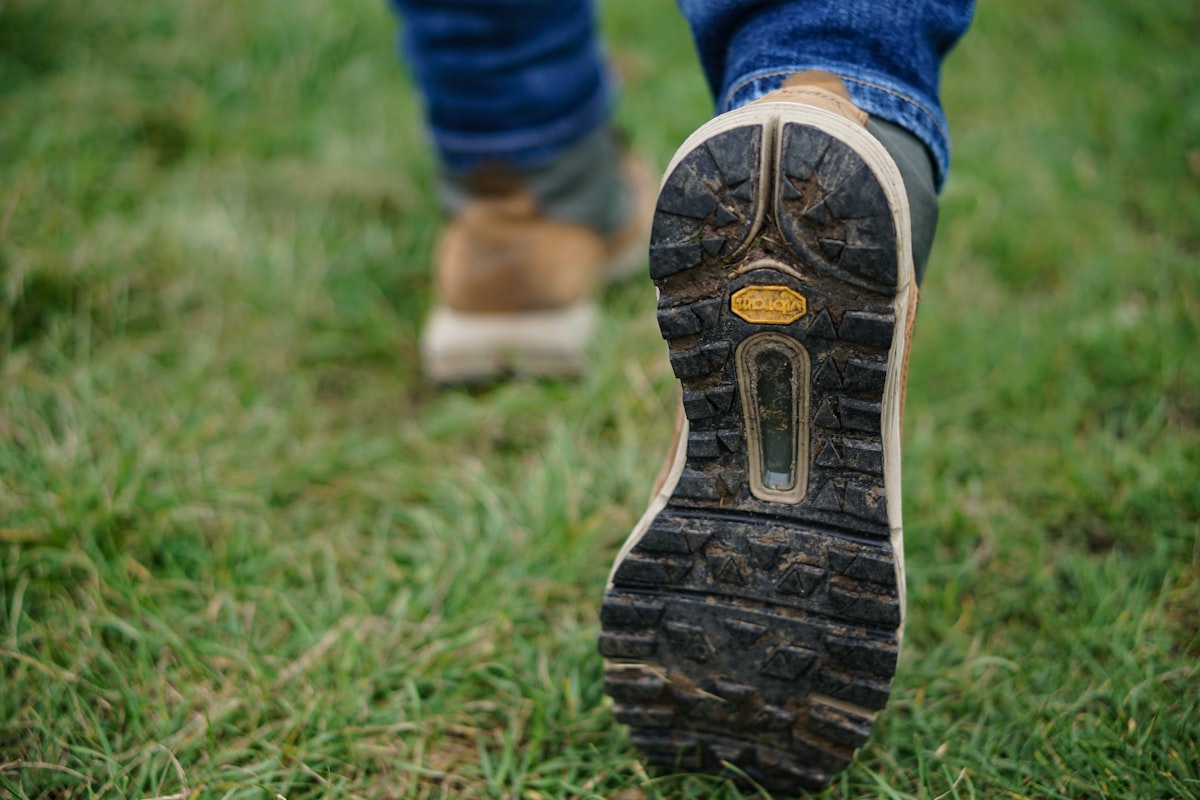
Midday Movement Break (every 45 minutes)
If you work at a desk or sit for extended periods, stand up and move every 45 minutes. Walk for 2-3 minutes, do light stretches, or perform a few body-weight exercises like gentle squats or arm circles. This breaks up stiffness and keeps your joints lubricated throughout the workday.
Targeted Mobility Work (15-20 minutes, 3x weekly)
Perform dedicated mobility exercises three times per week. These might include controlled leg lifts, hip mobility drills, shoulder stretches, or gentle lunges. Move within your natural range of motion and avoid forcing any position. This strengthens the muscles that support your joints and maintains flexibility.


Joint Support Diet (every meal)
Eat foods that support joint health throughout the day. Include fatty fish (salmon, mackerel), colorful vegetables, berries, nuts, seeds, and adequate hydration. These foods provide omega-3s, antioxidants, and minerals that nourish connective tissue and support overall joint function.
Evening Posture Awareness & Recovery (5-10 minutes)
End your day with gentle stretching and mindful movement. Reflect on how you moved throughout the day—did you maintain good posture? Were you tense anywhere? Perform light stretches for tight areas, focusing on your lower back, hips, shoulders, and neck. This promotes recovery and prepares your joints for sleep.
Common Questions About Joint Health
How soon will I notice improvements in joint mobility?
Most people notice increased mobility and reduced stiffness within 2-3 weeks of consistent daily habits. However, the real benefits compound over months and years. Building stronger support muscles and maintaining flexibility is a long-term investment in your independence and quality of life.
Can these habits prevent joint issues from developing?
Yes. Consistent movement, proper posture, nutritional support, and safe exercise practices are the most effective approaches to joint preservation. Regular mobility work maintains the range of motion and strength needed to keep your joints healthy and functional throughout your life.
What if I experience discomfort during exercises?
Stop the exercise immediately. Safe gymnastics should never cause sharp or shooting sensations. Mild muscle fatigue is normal, but joint discomfort is a signal to modify your movement. Start with smaller ranges of motion, move more slowly, or reduce the number of repetitions. Consistency with gentle movement beats occasional intense effort.
How does proper posture affect joint health?
Proper posture distributes forces evenly across your joints. When you slouch or misalign your spine, you create uneven stress on specific joints—especially your knees, hips, and lower back. Maintaining good alignment throughout the day is one of the simplest yet most effective ways to preserve joint function long-term.
Are these habits suitable for all ages?
These physiotherapist-recommended habits are adaptable for all ages. Young people can use them to build a strong foundation and prevent future issues. Older adults can modify exercises to match their current mobility level. The key is to start where you are and progress gradually with consistent practice.
Should I combine these habits with other physical activities?
Yes. The daily habits in this guide complement other activities like walking, swimming, or strength training. These foundational practices prepare your joints for any activity and support overall joint preservation. Always use proper technique during any exercise and listen to your body's signals.
Success Stories from Our Community
"I was skeptical that simple daily movements could make such a difference. After three weeks of following the morning warm-up routine and being mindful of my posture at work, I noticed I could climb stairs without stiffness. These habits have genuinely improved how I move through my day."
— Marco R., Bologna
"As someone who sits at a desk for eight hours daily, joint discomfort was becoming routine. Implementing the movement breaks every 45 minutes and paying attention to how I move has transformed my work life. I feel stronger and more flexible than I did five years ago."
— Lucia M., Milan
"The nutrition guidance and mobility exercises have become part of my lifestyle. I appreciate that these aren't quick fixes—they're habits built for the long term. My joints feel more resilient, and I'm confident I'm investing in my future independence and active life."
— Giuseppe P., Rome
Start Your Joint Health Journey Today
Learn more about implementing these daily habits through our comprehensive guides and expert recommendations. Explore our full collection of articles on joint preservation, mobility exercises, proper movement patterns, and nutritional support.
✓ Free resources • ✓ Expert advice • ✓ Proven methods
Frequently Asked Questions
Most people notice improvements in mobility and joint comfort within 2-3 weeks of consistent practice. Significant flexibility gains typically appear within 6-8 weeks, while long-term joint health benefits develop over months and years of sustained habits.
Yes, gentle mobility exercises and proper movement patterns can help reduce joint pain by improving circulation, strengthening supporting muscles, and reducing stiffness. However, consult a healthcare provider for chronic pain conditions to ensure these habits complement your treatment plan.
Morning is ideal for mobility work to loosen stiff joints and prepare your body for daily activity. Evening sessions are great for relaxation and recovery. The best time is whenever you can be consistent—establishing a routine matters more than picking the "perfect" time.
No special equipment is required to start. Many effective mobility exercises use just your body weight. Optional tools like resistance bands, foam rollers, or yoga mats can enhance your practice, but they're not necessary to see results.
Track your progress, set realistic goals, and celebrate small wins. Join a community, follow guided routines, and remember that consistency beats intensity. Notice improvements in energy, posture, and daily comfort—these become natural motivators over time.
What Our Community Says
"These flexibility habits transformed my morning routine. I used to wake up stiff and sore, but now I feel energized and ready to tackle my day. The guides are clear and easy to follow."
Sarah M.
Corporate Professional
"As an aging athlete, I was concerned about joint health. These evidence-based habits have helped me maintain my active lifestyle while protecting my joints long-term. Highly recommended."
David L.
Fitness Enthusiast
"I've struggled with stiffness for years. The comprehensive guides and daily habit recommendations gave me a clear path forward. My flexibility has noticeably improved in just 8 weeks!"
Jennifer K.
Health Coach
Flexibility Habits Guide
Your trusted resource for joint health, mobility, and sustainable flexibility habits backed by expert knowledge.
Connect
© 2026 Flexibility Habits Guide – P.IVA: IT61632714535. All rights reserved. | Privacy Policy | Terms of Service